
WHY SMALL-GROUP TOURS MAKE A HUGE DIFFERENCE IN SEVILLE

When planning a trip, most travellers focus on what they want to see. The Royal Alcázar, the Cathedral, Plaza de España or the colourful streets of Triana usually dominate the itinerary. What many people overlook is that the way a city is explored can shape the experience just as much as the places themselves.
In some destinations, large groups work perfectly well. A panoramic introduction to a city or a visit focused primarily on logistics may not require much interaction. Seville is different. Its history is layered, its urban landscape is intricate and many of its most interesting stories emerge through observation, conversation and context rather than through spectacular landmarks alone. For this reason, group size has a greater impact in Seville than many visitors initially expect.
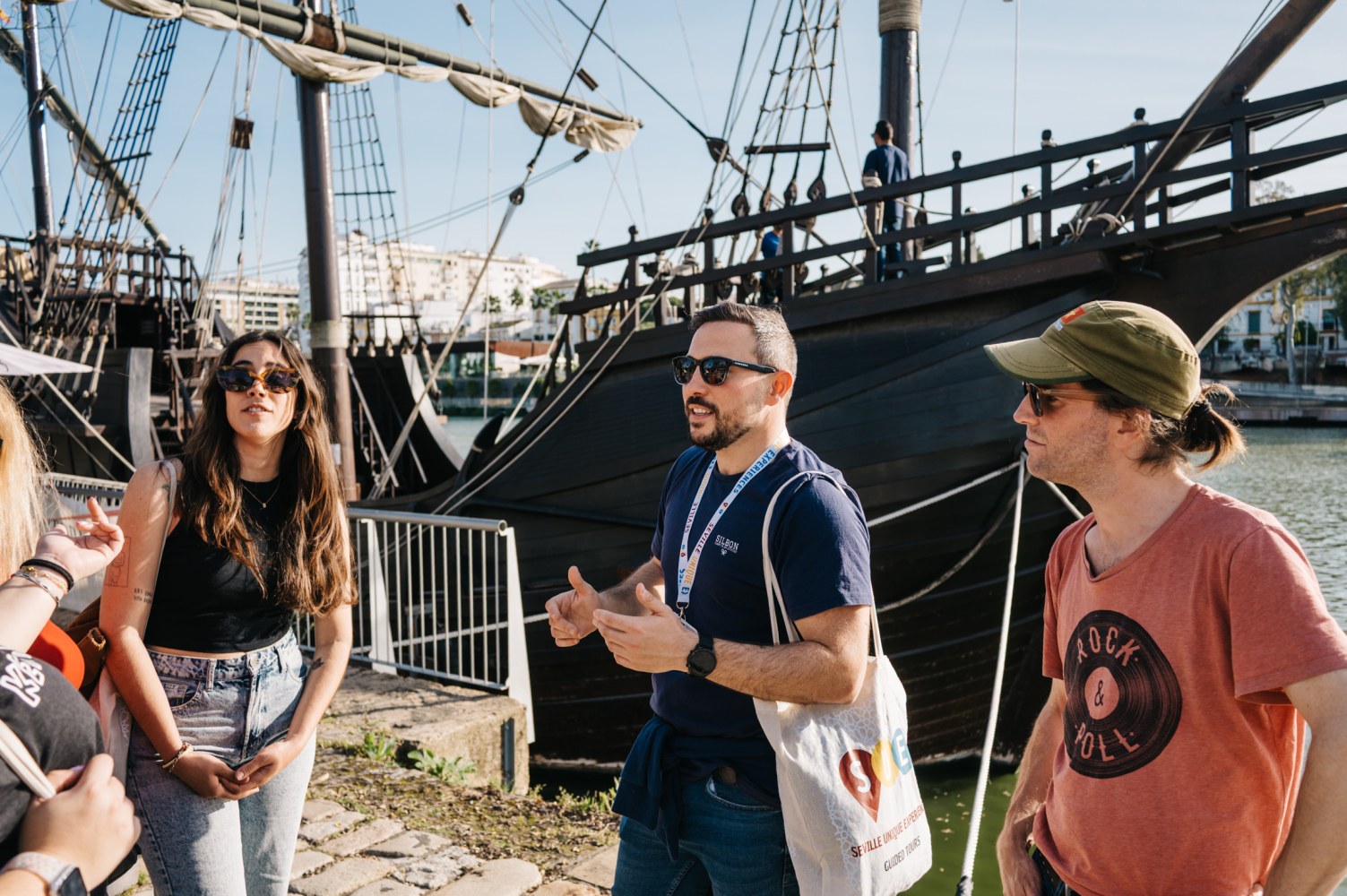
The Most Interesting Parts of Seville Are Often the Smallest
One of the characteristics that makes Seville so rewarding to explore is that many of its most meaningful places are not necessarily its largest or most famous. The city reveals itself gradually through details: a forgotten inscription on a wall, the remains of a medieval Jewish quarter hidden within the urban fabric, a small courtyard behind an unassuming doorway or a ceramic workshop that has continued its craft for generations.
These places rarely attract attention on their own. They become meaningful when someone helps connect the dots. Understanding how a neighbourhood evolved, why a building was transformed over time or how different cultures shaped the city often requires context that is easy to miss when moving quickly from one landmark to another.
This is particularly true in areas such as Santa Cruz, where history is woven into the streets themselves rather than concentrated in a single monument.
For visitors interested in discovering Seville beyond its headline attractions, our Travel Guide offers practical recommendations and local insights before arriving in the city:
👉 https://sevilleuniqueexperiences.com/travel-guide/
Understanding Seville Requires Context
Seville is often represented through a collection of iconic images: orange trees, flamenco dresses, horse-drawn carriages and monumental architecture. While these elements certainly form part of the city’s identity, they only tell a fraction of the story.
The Royal Alcázar is not simply a beautiful palace. It reflects centuries of cultural exchange and political change, where Islamic artistic traditions, Christian monarchs and later European influences all left their mark. The Cathedral is not merely one of the largest churches in the world; it also tells the story of a city that became one of the most important commercial centres on the planet during the Age of Discovery.
Even neighbourhoods such as Triana cannot be understood solely through their architecture. Their significance lies equally in their traditions, communities and relationship with the Guadalquivir River.
The challenge is rarely seeing these places. The challenge is understanding why they matter.
Visitors looking for official information about the Alcázar can also consult:
👉 https://www.alcazarsevilla.org/en/
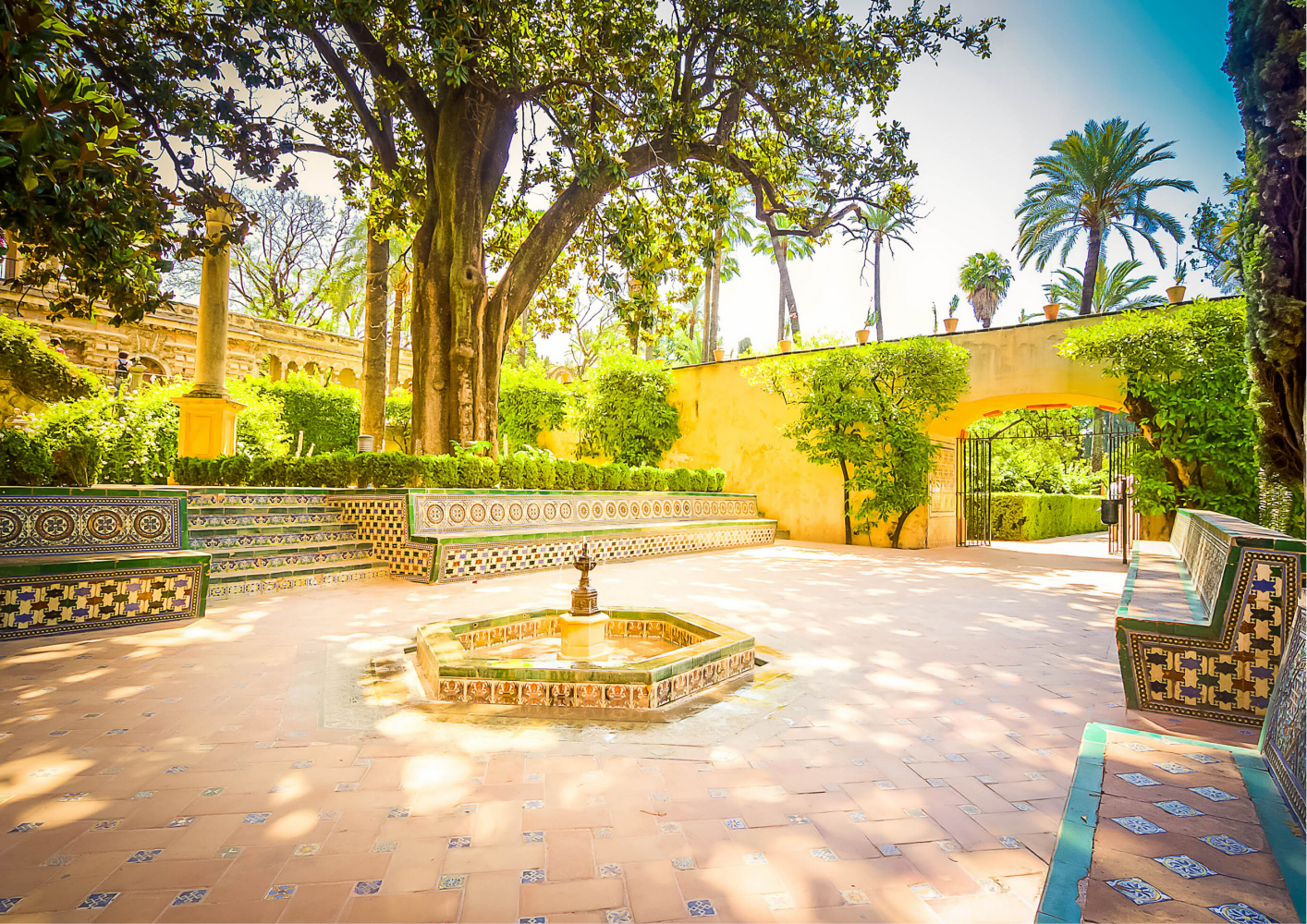
Conversations Change the Experience
One aspect of guided visits is often underestimated: the value of conversation.
Many travellers arrive in Seville with questions they did not know they had before the tour began. Why does the Giralda look different from other bell towers? How did Islamic architecture influence Christian buildings? Why does Triana maintain such a strong identity? What was everyday life like inside the Alcázar centuries ago?
These questions rarely appear in guidebooks, yet they are often what visitors remember most. Smaller groups naturally create an environment where curiosity can develop. They allow guides to respond to the interests of the people in front of them rather than simply delivering a fixed presentation.
In a city where history spans Roman, Islamic, Jewish and Christian periods, those conversations often become the most memorable part of the visit.
Seville Is a City Built Around Human Scale
Unlike many European capitals, Seville remains remarkably walkable. Much of its historic centre is experienced on foot, through narrow streets, hidden passages and neighbourhoods that still retain a strong local character.
Because of this, the city itself lends naturally to a more personal style of exploration. Walking through Santa Cruz, crossing into Triana or discovering quieter corners around the Cathedral often feels less like moving between attractions and more like gradually uncovering layers of the city.
Large groups inevitably move differently through these spaces. Smaller groups tend to adapt more easily to the rhythm of the surroundings and make it easier to pause when an interesting detail, story or question emerges.
The result is often a more complete understanding of the city rather than simply a longer list of places visited.

Interpretation Matters More Than Information
Information has never been easier to access. Every monument in Seville has a website. Every major attraction appears in countless travel guides. Every historical date can be found online within seconds.
What remains valuable is interpretation.
History becomes more meaningful when it is connected to specific places. Architecture becomes more interesting when it is linked to the people who built it. A neighbourhood becomes memorable when visitors understand how it evolved and why it continues to matter today.
In a destination as historically complex as Seville, interpretation often makes the difference between visiting a monument and understanding it.
This is one of the reasons many travellers choose guided visits to places such as the Royal Alcázar, the Cathedral and Giralda, the Jewish Quarter or Triana. The goal is not simply to access information but to place what is being seen into a wider cultural context.
You can explore our experiences here:
- Monumental Highlights Walking Tour
- Royal Alcázar Small-Group Tour
- Cathedral & Giralda Small-Group Tour
- Jewish Quarter Walking Tour
- River & Secrets of Triana Tour
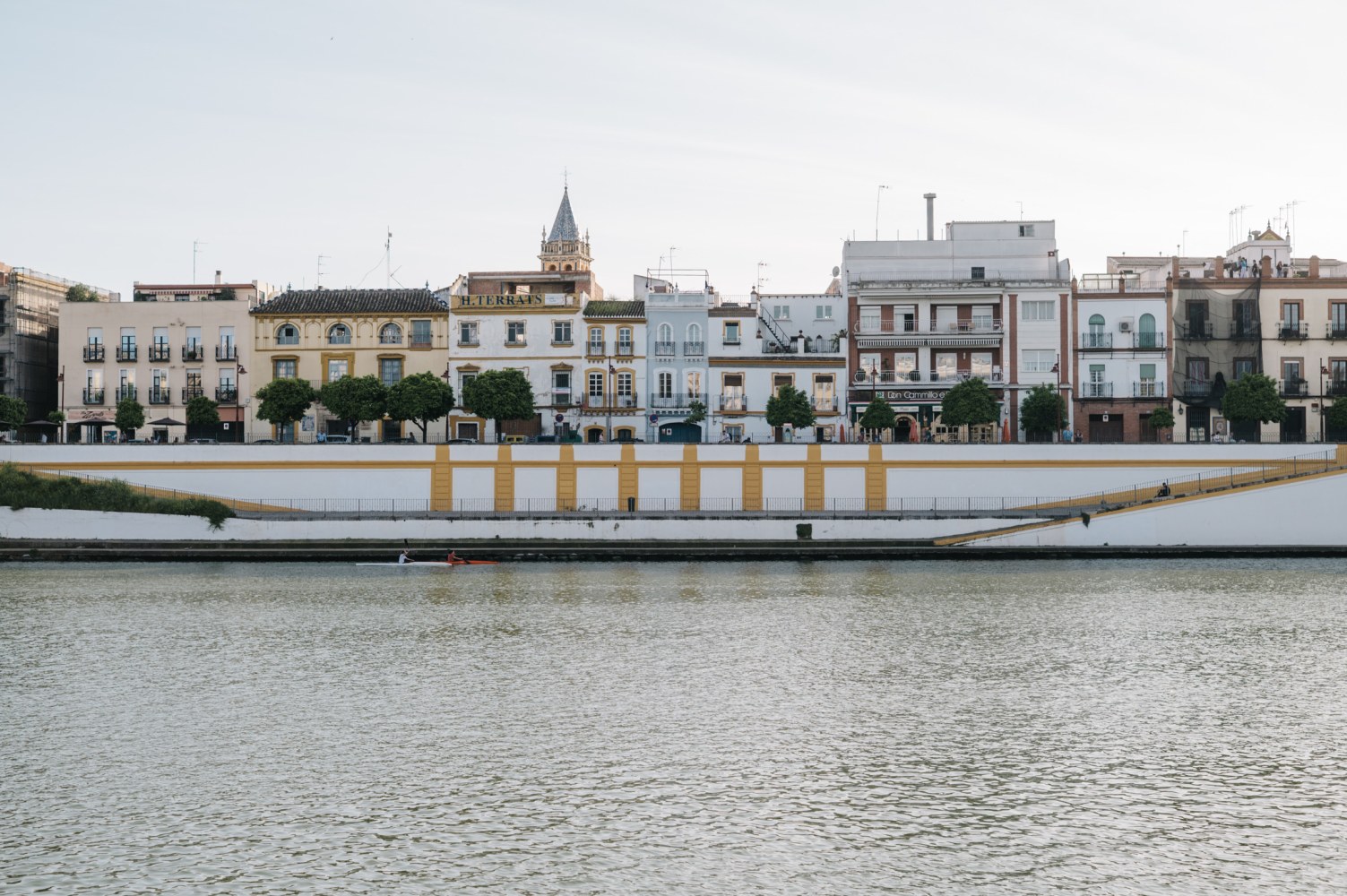
A Different Way to Discover Seville
Some cities are experienced through landmarks alone. Seville is not one of them.
Its most fascinating stories are often hidden in plain sight, scattered across neighbourhoods, courtyards, churches, palaces and streets that reveal their meaning gradually. Understanding those stories requires time, context and attention to detail.
That is why group size matters more here than many visitors initially imagine. Not because smaller automatically means better, but because it creates the conditions for a more thoughtful and engaging exploration of a city whose greatest treasures are often found between the landmarks rather than inside them.
If that is the kind of travel you enjoy, you can learn more about our approach here: