
WHY PLANNING AHEAD IS ESSENTIAL FOR VISITING SEVILLE
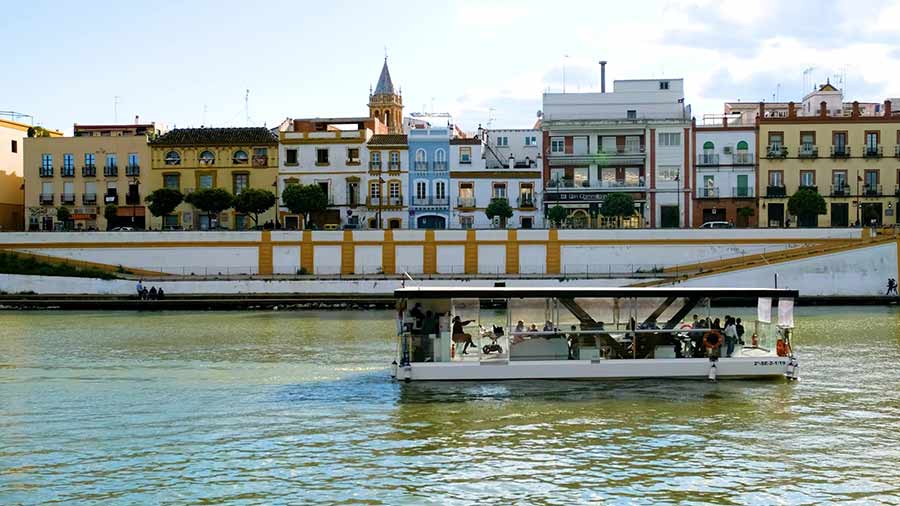
For many travellers, Seville seems like the perfect city for spontaneity. The historic centre is compact, the main monuments are relatively close to one another and much of the city can be explored on foot. Compared with larger European capitals, it often feels manageable and unhurried. As a result, many visitors assume they can make most decisions after arriving.
In reality, Seville rewards preparation far more than people expect.
This is not because the city is difficult to navigate. Quite the opposite. One of Seville’s greatest strengths is how accessible it feels. The challenge is that some of its most rewarding experiences have limited availability, seasonal restrictions or practical considerations that first-time visitors often underestimate. Over the years, we have seen countless travellers arrive expecting everything to be available on demand, only to discover that monument tickets are sold out, restaurants are fully booked or local events have transformed the city’s normal rhythm.
As a company that works with visitors every day, we regularly see how small planning decisions can have a significant impact on the overall quality of a trip.
Planning ahead does not mean removing spontaneity from a trip. It means ensuring that the most important parts of your visit are protected so that once you arrive, you can focus on enjoying the city rather than solving logistical problems.
Seville Has Changed Dramatically as a Tourist Destination
Not long ago, Seville was often described as one of Spain’s hidden treasures. While the city has always attracted visitors, international tourism has grown significantly over the last decade, transforming Seville into one of Spain’s leading cultural destinations. Travellers are increasingly drawn by its extraordinary combination of history, architecture, gastronomy and living traditions.
This growing popularity has brought many benefits, but it has also changed the way visitors need to approach their trip. Attractions that were once relatively easy to access can now reach capacity weeks in advance. Hotels in prime locations become difficult to secure during peak seasons, and major events affect everything from accommodation prices to restaurant availability.
Many travellers researching their visit through our Travel Guide are surprised to learn how much demand exists throughout much of the year. Spring remains the busiest season, but autumn has become increasingly popular among cultural travellers, while winter now attracts visitors looking for milder temperatures and fewer crowds.
The result is simple: Seville remains easy to explore, but the most rewarding experiences often require a little preparation.
The Royal Alcázar: The Most Common Planning Mistake
If there is one attraction that perfectly illustrates the importance of planning ahead, it is the Royal Alcázar.
As one of Spain’s most visited historic monuments and a UNESCO World Heritage Site, the palace attracts visitors from all over the world. Unlike some attractions that can absorb large numbers of guests without issue, the Alcázar operates with controlled visitor capacity and timed entry slots. During large parts of the year, availability can disappear much faster than visitors expect.
One of the situations we encounter most frequently involves travellers arriving in Seville convinced they can purchase tickets a day or two before visiting. Sometimes they can. Very often, particularly during spring and autumn, they cannot.
The official Royal Alcázar website provides the latest information on opening hours and ticket availability, but even checking a few weeks before arrival can make a significant difference. Visitors who wait until the last moment often discover that the most convenient time slots have already disappeared.
Planning is not only about securing entry. It is also about choosing when to visit. The atmosphere inside the palace can vary enormously depending on the time of day. In general, early mornings and late afternoons often provide a more comfortable and rewarding experience than the busiest midday periods.
For travellers interested in understanding the monument’s historical significance rather than simply walking through it independently, our Royal Alcázar Small-Group Tour combines entry tickets with expert interpretation, helping visitors understand the layers of Islamic, Christian and royal history that shaped one of Europe’s most remarkable palaces.
The Cathedral and Giralda Require More Time Than Many Visitors Expect
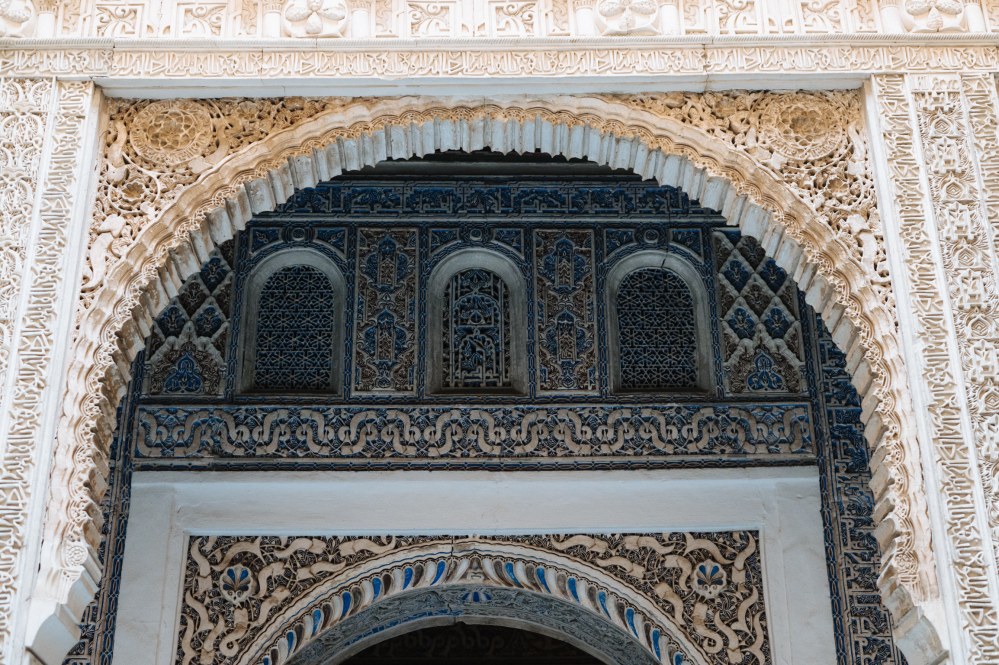
The Cathedral presents a different challenge. While ticket availability is often more flexible than at the Alcázar, many visitors underestimate how much time the monument deserves.
As one of the largest Gothic cathedrals in the world, the building contains centuries of history. Visitors frequently arrive expecting a quick visit before moving on to the next attraction, only to discover that the scale of the monument demands a much slower pace. Between the main altar, the choir, the chapels, the treasury, the tomb traditionally associated with Christopher Columbus and the climb up the Giralda, there is far more to see than many travellers initially realise.
The official Cathedral website offers practical information regarding opening hours and visitor access, but planning ahead involves more than simply purchasing tickets. It means allocating sufficient time to appreciate what you are seeing.
Visitors who try to combine the Cathedral, the Alcázar, Plaza de España and several additional attractions in a single morning often leave feeling rushed. Those who allow themselves more time frequently gain a much deeper appreciation for the city’s history.
Travellers who prefer guided interpretation often choose our Cathedral & Giralda Small-Group Tour, which focuses on explaining the broader historical context behind one of Seville’s most important monuments.
Local Festivals Can Completely Change the City
Few destinations are shaped by annual events as profoundly as Seville.
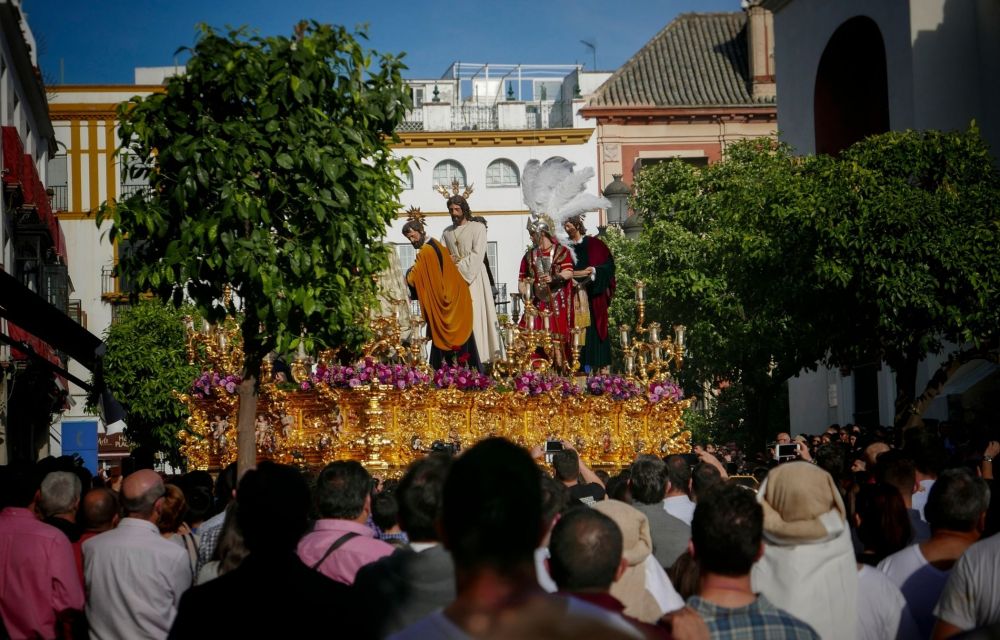
Visitors planning trips during Semana Santa or Feria de Abril are often attracted by the opportunity to witness traditions that have defined local life for generations. Both celebrations offer extraordinary cultural experiences, but they also create practical challenges that first-time visitors frequently underestimate.
Accommodation prices increase significantly. Availability becomes limited. Restaurants fill quickly. Access routes change. Pedestrian movement throughout the historic centre can be affected for hours at a time.
None of these factors should discourage visitors from travelling during these periods. In fact, many travellers consider them among the most memorable moments to experience Seville. The key difference is that these trips require far more preparation than a visit during quieter periods of the year.
Those who understand this in advance tend to enjoy the celebrations. Those who assume the city will function normally often find themselves frustrated by circumstances that could easily have been anticipated.
Why Summer Demands a Different Strategy
One of the most common misconceptions about Seville concerns the weather. Visitors often check average temperatures before travelling but underestimate what those figures actually feel like in practice.
Summer in Seville is not simply warm. It can be intensely hot. Temperatures above 35°C are common, and heatwaves frequently push conditions considerably higher. For visitors arriving from cooler climates, the impact can be surprising.
This does not mean summer is a bad time to visit. It simply means that planning becomes essential. Experienced travellers tend to structure their days differently. They schedule outdoor activities during the morning, reserve indoor monuments for the hottest hours and take advantage of Seville’s vibrant evenings once temperatures become more comfortable.
The difference between a successful summer itinerary and an exhausting one often comes down to understanding how the climate shapes daily life. Locals have adapted to these conditions for centuries. Visitors who follow a similar rhythm generally enjoy the city far more.
Travellers interested in a more thoughtful approach to exploring the city may also enjoy our article on slow travel in Seville, which explores why spending more time in fewer places often creates a richer experience.
How Many Days Do You Really Need in Seville?
One of the most common questions travellers ask is how many days they should spend in Seville.
The answer depends largely on what they hope to gain from the visit.
It is certainly possible to see some of the city’s major landmarks in a day or two. Many visitors arrive on short city breaks and leave having visited the Alcázar, the Cathedral and Plaza de España. However, those who want to understand Seville rather than simply tick off attractions often benefit from staying longer.
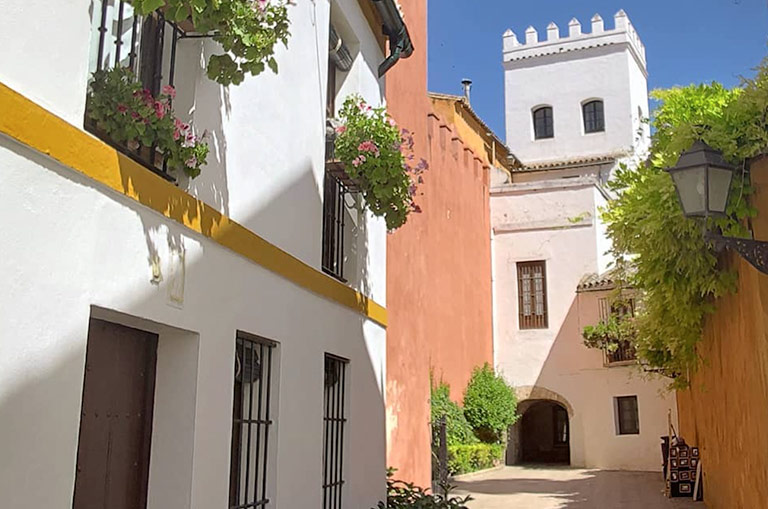
Three full days generally allow visitors to experience the city’s principal monuments without feeling rushed. Four or five days create opportunities to explore neighbourhoods such as Santa Cruz and Triana more deeply, visit smaller museums, enjoy longer meals and experience the city at a pace closer to that of local life.
One of the most common planning mistakes we observe is travellers attempting to compress too much into too little time. Seville rewards curiosity and observation. A slightly longer stay often provides far greater value than a packed itinerary.
Where You Stay Matters More Than You Think
Accommodation is another area where planning ahead can significantly improve a trip.
Many first-time visitors focus primarily on price, overlooking the importance of location. In a city where much of the historic centre is best explored on foot, staying in the right area can save considerable time while improving the overall experience.
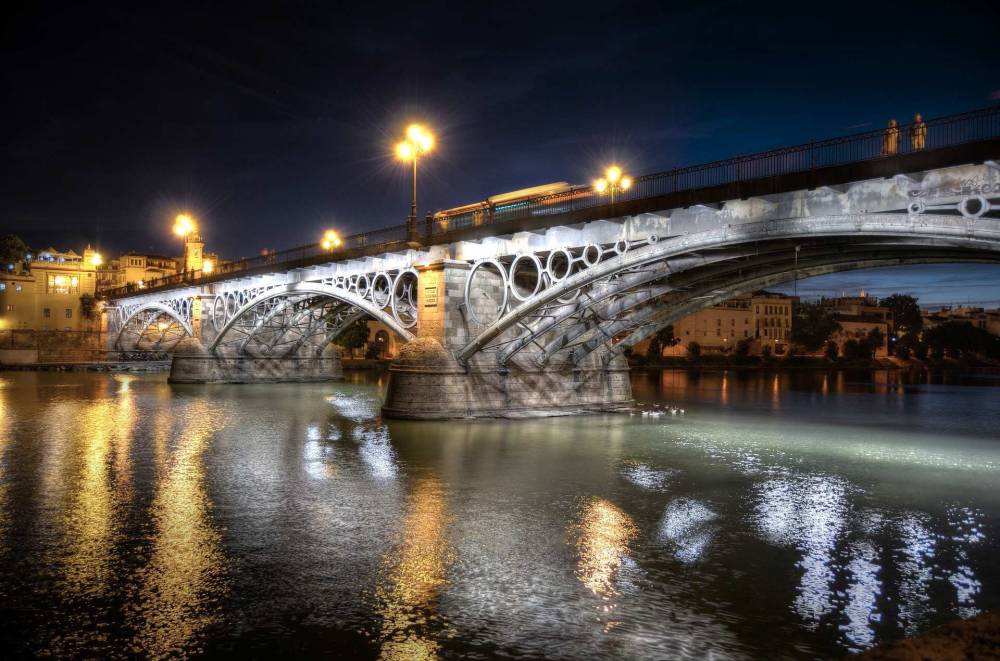
Santa Cruz remains popular because of its proximity to the city’s most important monuments. El Arenal provides convenient access to both the Cathedral area and Triana. The surroundings of Las Setas offer a lively atmosphere with excellent dining options, while parts of Triana appeal to travellers seeking a neighbourhood with a slightly different character.
Choosing accommodation simply because it appears inexpensive can sometimes result in longer daily journeys and less time enjoying the city itself. Planning ahead allows visitors to select locations that align with the type of experience they want to have.
The Restaurant Reservation Mistake
Food plays a central role in many visits to Seville, yet restaurant reservations are frequently left until the last minute.
Visitors often assume that because tapas culture is informal, reservations are unnecessary. While spontaneous dining certainly remains part of the local experience, some of the city’s most sought-after restaurants operate with limited seating and high demand, particularly during weekends and peak tourism periods.
This is especially true for traditional Andalusian restaurants, contemporary fine dining venues and establishments located within the historic centre. Securing a reservation often requires very little effort compared with the inconvenience of searching for alternatives once preferred options are fully booked.
A small amount of preparation can remove uncertainty while leaving the rest of the day completely open.
Building a Realistic Itinerary
One of the greatest benefits of planning ahead is learning what can realistically fit into a day.
Many visitors create ambitious itineraries that appear efficient on paper but quickly become exhausting in practice. Attempting to visit the Alcázar, the Cathedral, Plaza de España, Triana, several museums, a flamenco performance and multiple tapas bars within a single day rarely produces the experience people imagine.
Seville is a city that rewards depth rather than speed.
Visitors who focus on fewer places often leave with a much stronger understanding of the city than those who attempt to see everything. This principle is closely connected to the ideas explored in our article about why small-group tours make a huge difference in Seville, where we discuss how context and interpretation often matter more than quantity.
A realistic itinerary creates space for unexpected discoveries, relaxed meals and spontaneous moments that frequently become the highlights of a trip.
Final Thoughts
Planning ahead is not about eliminating spontaneity. It is about ensuring that the most important elements of a trip are secured before arrival so that the city can be enjoyed with greater freedom once you are here.
From obtaining Alcázar tickets and choosing the right accommodation to understanding the impact of local festivals and creating a realistic itinerary, a little preparation can dramatically improve the quality of a visit. Seville remains one of Europe’s most rewarding cultural destinations, but it is also a city whose popularity continues to grow.
The travellers who enjoy it most are often not those who plan every minute. They are the ones who identify what matters, organise those essentials in advance and then leave themselves free to enjoy everything else the city has to offer.
Visitors interested in learning more about our approach to cultural tourism can also read more about Seville Unique Experiences.
Discover more things to do in Seville: https://www.kayak.com/Sevilla.10121.guide