
A FOOD LOVER’S GUIDE TO SEVILLE: TAPAS, MARKETS AND LOCAL EXPERIENCES
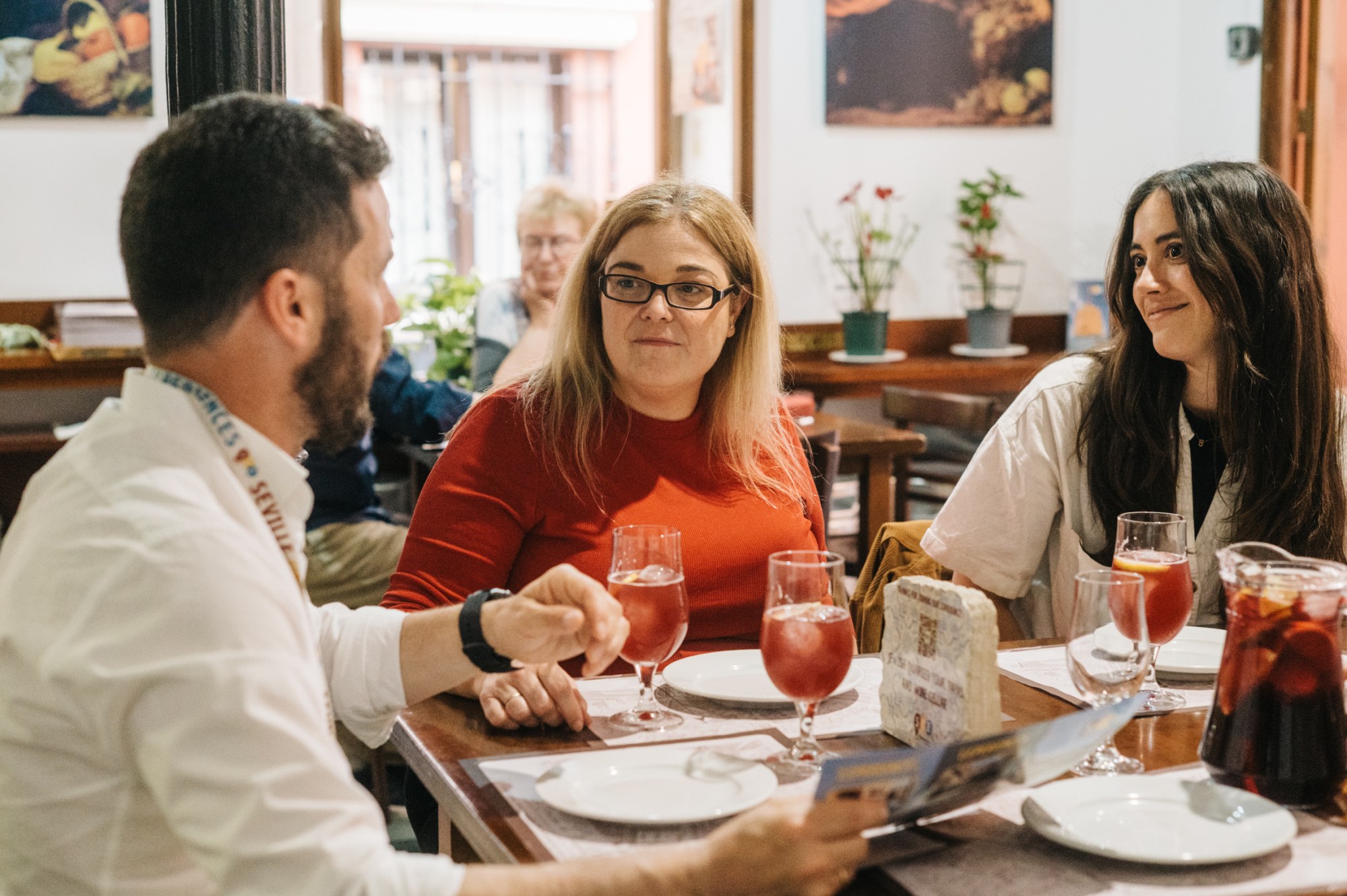
Seville is a city that is best discovered slowly — and food is an essential part of the experience. From a quick tapa at the bar to a long lunch that stretches into the afternoon, eating in Seville is as much about how and where you eat as what is on the plate.
The city’s food culture has been shaped by Andalusian traditions, local produce and centuries of influences from across the Mediterranean. Today, traditional taverns sit alongside contemporary restaurants, while neighbourhood markets remain part of everyday life in areas such as Triana and Feria.
For visitors, however, understanding what to eat in Seville and where to begin is not always straightforward. Tapas menus can be extensive, meal times are different from those in many other countries, and some of the most rewarding experiences are not necessarily the places that appear first in a search for “best restaurants in Seville”.
In this guide, we’ll look at some of the foods and tapas to try in Seville, the city’s traditional markets and the local dining habits worth knowing. We’ll also explore ways to go beyond simply ordering from a menu, including a small-group cooking experience for travellers who would like to discover Spanish food culture from a more hands-on perspective.
Whether food is one of the main reasons for your trip or simply another way to understand the city, knowing a little about Seville’s culinary culture can completely change the way you experience it.
What Food Is Seville Known For?
Seville is especially known for its tapas culture and traditional Andalusian cooking. Rather than being defined by a single dish, the city’s food scene is built around a wide variety of small plates, seasonal ingredients and recipes that have been part of local kitchens for generations.
Some of the classics worth looking for include espinacas con garbanzos (spinach with chickpeas), carrillada (slow-cooked pork or beef cheek), solomillo al whisky, papas aliñás (seasoned potatoes), pringá, fried or marinated fish and, when in season, dishes made with artichokes, mushrooms or local vegetables. You will also encounter plenty of jamón ibérico, Andalusian cheeses and other products designed to be shared.
One of the pleasures of eating in Seville is that you do not need to experience all of this in a formal restaurant. A traditional bar, a neighbourhood market or a succession of different tapas stops can tell you just as much about the city’s food culture.
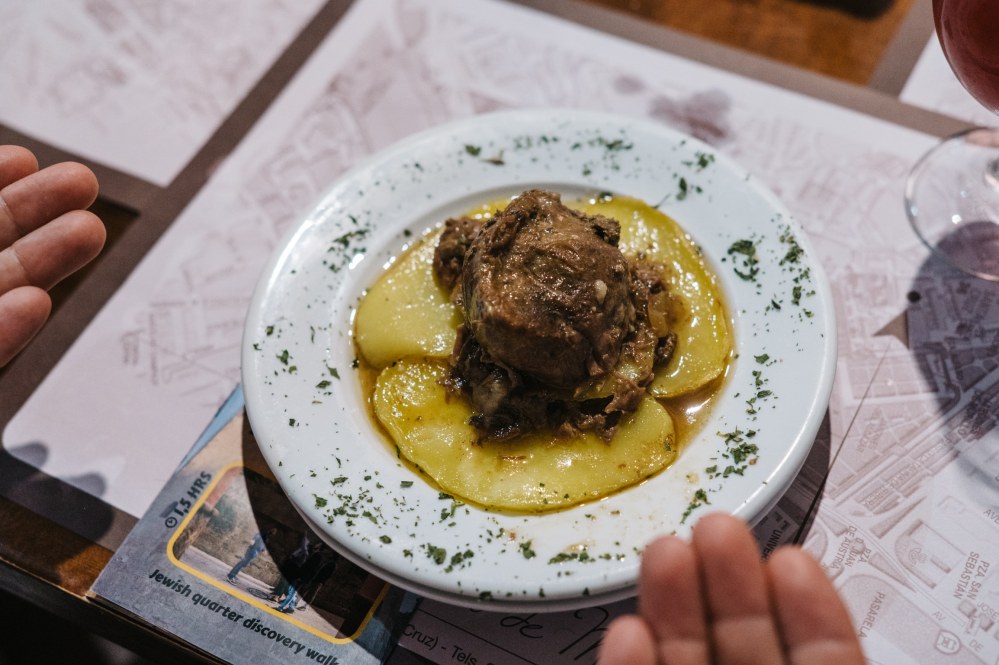
The important thing is not to approach tapas as a checklist. Menus change, seasonal dishes appear and disappear, and every bar tends to have its own specialities. Asking what is particularly good that day is often a better strategy than arriving determined to order a predetermined list of dishes.
Understanding Tapas Culture in Seville
Tapas in Seville are not simply small portions of food. Going out for tapas is a social way of eating, often involving several dishes, conversation and, quite frequently, more than one bar.
Most traditional establishments offer different portion sizes. A tapa is the smallest and is usually intended for one person, while a media ración and a ración are progressively larger portions designed for sharing. This makes it easy to try several dishes rather than committing to a single main course.
Another part of the experience is moving around. Instead of spending an entire evening in one restaurant, Sevillanos may have a drink and a tapa in one bar before continuing somewhere else. You certainly do not have to follow this pattern, but visiting two or three places can be a great way to discover different neighbourhoods, atmospheres and specialities.
Timing matters too. Lunch in Seville tends to be later than many international visitors expect, and dinner can easily begin after 9 pm. Some traditional kitchens also close between lunch and dinner, so it is worth checking opening hours rather than assuming that every restaurant serves food continuously throughout the day.
If you would rather have some guidance for your first experience, a food-focused walking tour can also provide useful context. Our Jewish Quarter with Tapas & Drinks combines a walk through one of Seville’s most historic areas with tapas and drinks afterwards, allowing you to explore part of the city before sitting down together for a relaxed introduction to its food culture.
Seville’s Traditional Food Markets
Seville’s markets offer another way to understand the city through food. Although supermarkets have inevitably changed everyday shopping habits, traditional markets are still active parts of neighbourhood life, bringing together fruit and vegetables, meat, fish, spices, cheeses and other local products under one roof.
For visitors, perhaps the best known is the Mercado de Triana, located beside the Triana Bridge on the site of the former Castle of San Jorge. Its stalls make it an interesting stop in its own right, but its location also means that a visit can easily form part of a wider exploration of Triana, one of Seville’s most distinctive neighbourhoods.
Across the river, the Mercado de la Feria offers a rather different atmosphere. Located on Calle Feria, it is one of the city’s historic neighbourhood markets and a good excuse to explore an area of Seville that many first-time visitors never reach.
The Mercado de la Encarnación, beneath the Metropol Parasol, provides another contrast. Here, a traditional market sits underneath one of the most recognisable examples of contemporary architecture in the historic centre — a reminder that Seville’s everyday life does not exist separately from its monuments and history.
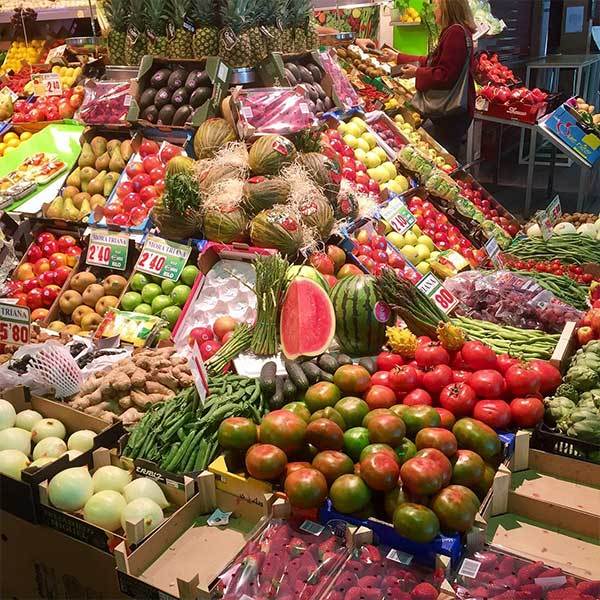
Markets are also useful places to become familiar with ingredients before encountering them on restaurant menus. You do not need to arrive with a shopping list: sometimes simply walking through the stalls and seeing what is in season provides a different perspective on how the city eats.
What About Paella?
No guide to Spanish food would feel complete without mentioning paella, but there is an important distinction to make: paella is not originally a Sevillian dish. Its roots are in Valencia, on Spain’s Mediterranean coast, where rice has been cultivated and cooked for centuries.
That does not mean you cannot enjoy — or learn to cook — a good paella while visiting Seville. It simply means that it is better understood as part of Spain’s wider culinary culture rather than as a traditional dish of the city itself.
For travellers, this distinction can actually make the experience more interesting. Eating your way through Seville might mean discovering local tapas and Andalusian recipes in traditional bars, while a cooking experience can provide an opportunity to learn about one of Spain’s most internationally recognised dishes from a completely different perspective.
A Hands-On Food Experience in Seville: Paella Legacy
If you would like to do more than simply taste Spanish food, Paella Legacy offers a hands-on cooking experience in the heart of Seville. The experience is run by our friend Fernando, a fellow Sevillano, and takes place on a rooftop close to Seville Cathedral.
There is also a reason why we are happy to recommend it. Like Seville Unique Experiences, Paella Legacy has chosen to keep its experiences small and personal, with groups limited to a maximum of 10 people. Rather than watching a cooking demonstration from a distance, guests take part in preparing the paella while learning about the ingredients, techniques and traditions behind the dish.
The experience lasts around 90 minutes and combines the cooking session with appetisers and sangria. But perhaps the most memorable ingredient is the setting itself: cooking together on a rooftop in the historic centre, with views across Seville, creates a very different experience from simply ordering paella in a restaurant.
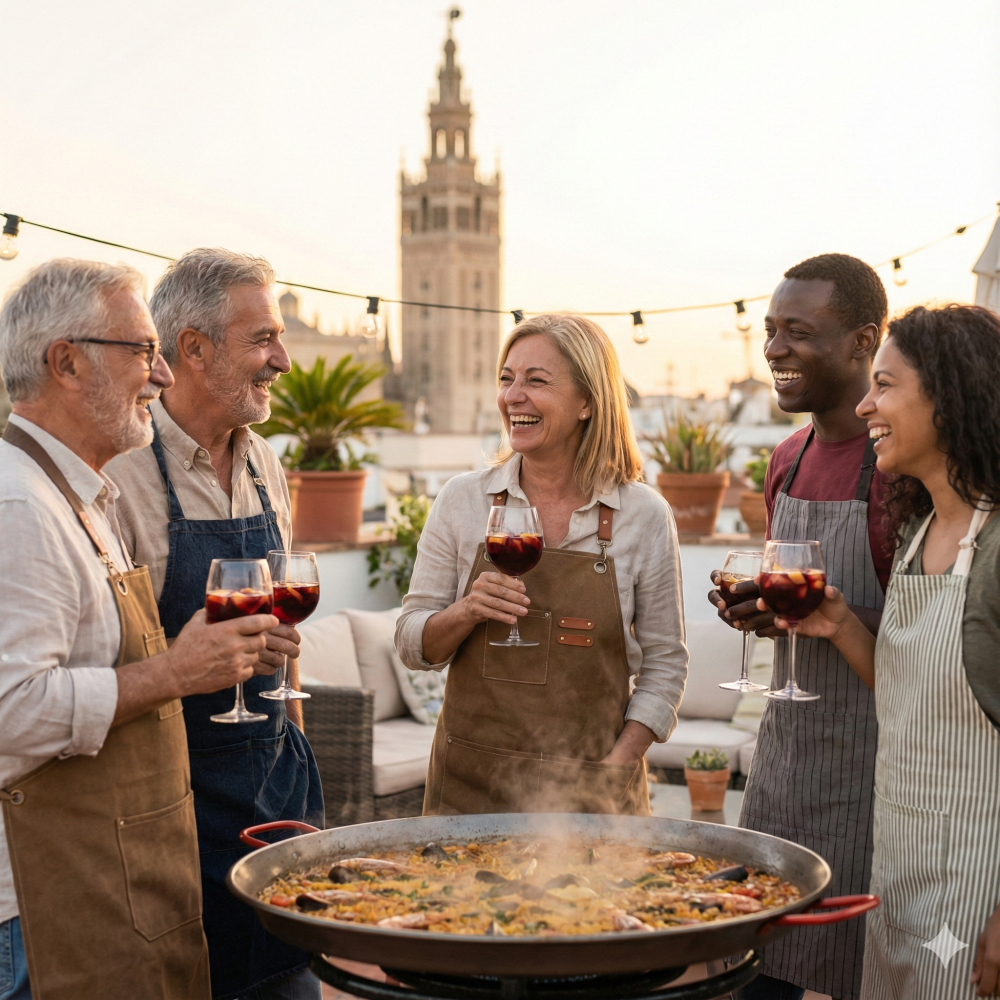
We know Fernando personally, so this is not intended to be an anonymous recommendation from a list of dozens of cooking classes. It is an experience run by someone we know and are happy to recommend to our guests, particularly for travellers who enjoy the same small-group approach that we value on our own tours.
If you would like to include a cooking experience during your stay, you can discover Paella Legacy and book the experience directly here.
Where to Eat in Seville: Our Personal Recommendations
One of the questions we hear most often from our guests is simply: where should we eat in Seville? The answer depends on what you are looking for. A traditional tapas bar, somewhere for a special dinner, a good breakfast or a restaurant close to your accommodation can all lead to very different recommendations.
Rather than trying to turn this guide into an endless list of restaurants, we have created a separate Seville Recommendations page with places that we genuinely suggest to our guests. It includes restaurants and tapas bars alongside other useful recommendations for enjoying the city before or after your tour.
Our advice is also not to plan every meal around the places with the greatest online visibility. Part of the pleasure of eating in Seville is leaving room for discovery. A busy neighbourhood bar, a handwritten seasonal special or a recommendation from your guide can sometimes lead to one of the meals you remember most from the trip.
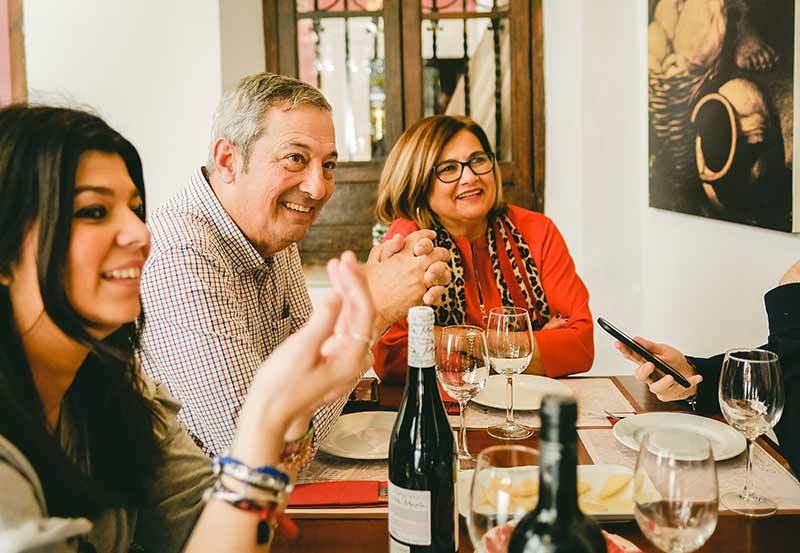
Wherever you choose, remember that eating well in Seville is not necessarily about finding a single “best” restaurant. Different neighbourhoods, different times of day and even different seasons can completely change the experience.
How to Plan a Food-Focused Day in Seville
You do not need to dedicate an entire day exclusively to food to experience Seville’s culinary culture. In fact, some of the best food experiences fit naturally around exploring the city.
Start the morning as many locals do: with a simple breakfast. Coffee with toasted bread is ubiquitous, with toppings ranging from olive oil and tomato to jamón. There is no need to seek out an elaborate brunch when a neighbourhood café can provide a much more everyday introduction to the city.
Later in the morning, consider visiting one of Seville’s markets. Triana works particularly well because food, history and neighbourhood life come together in a relatively small area. You can explore the market, walk through the surrounding streets and continue along the Guadalquivir before stopping for lunch.
Lunch is the ideal moment to put tapas culture into practice. Instead of trying to order every famous dish at once, choose a few things that look interesting, ask about the house specialities and leave room for another stop if somewhere else catches your attention.
The afternoon can then return to sightseeing. Seville’s historic centre is compact enough that food and monuments rarely need to be treated as separate parts of the day. A visit to the Cathedral, a walk through the former Jewish Quarter or time spent simply exploring the streets can easily sit between one gastronomic experience and the next.
If you want something more interactive, a cooking experience such as Paella Legacy can add a completely different dimension to the day. And afterwards, there is no obligation to plan another large meal: in Seville, an evening drink and a final tapa may be all you need.
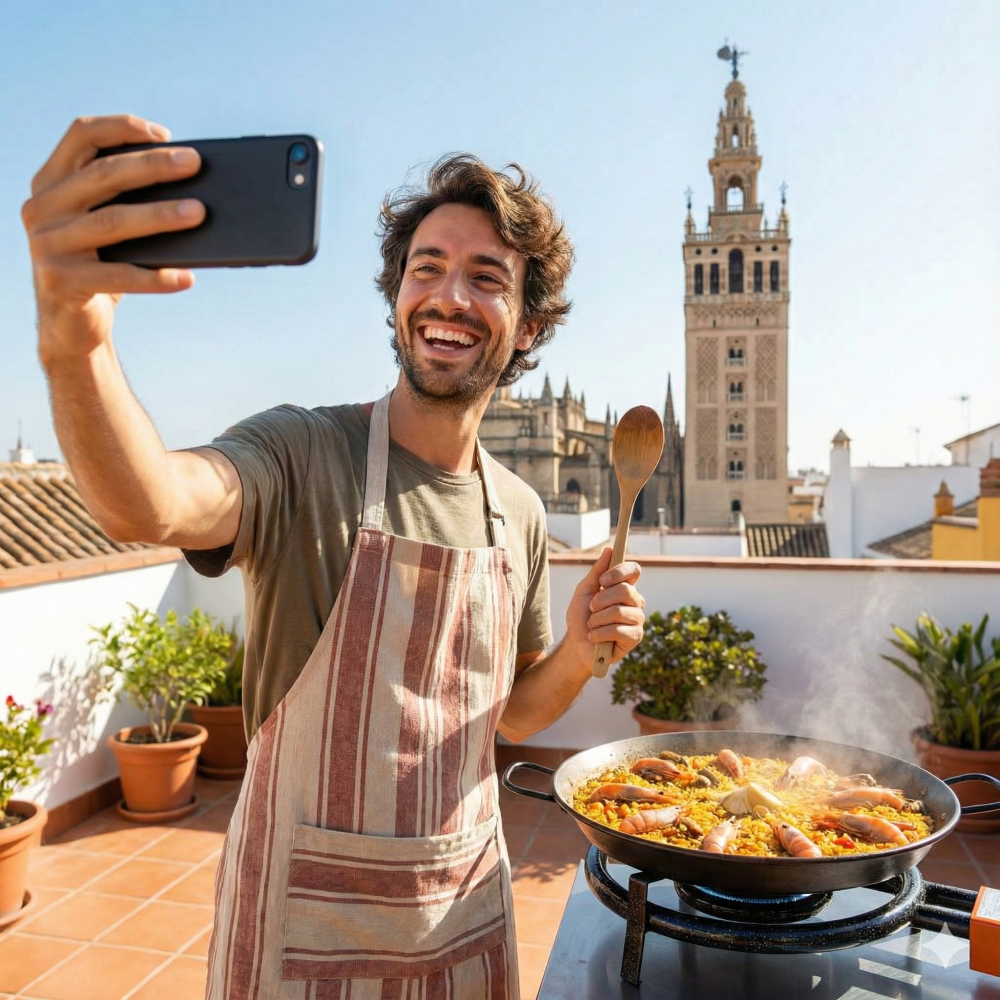
The point is not to follow a schedule minute by minute. Food in Seville works best when there is enough time to stop, change plans and enjoy the city between meals. That slower rhythm is part of the experience.
Food as a Way to Understand Seville
Food is one of the simplest ways to understand a city, and in Seville it reveals much more than a collection of traditional dishes. Markets tell the story of neighbourhoods, tapas reflect a deeply social way of eating, and recipes connect the city with the wider culinary traditions of Andalusia and Spain.
You do not need to visit every famous restaurant or try every dish on a list. Spend some time at a market, order something you have never tried before, ask what is good that day and allow meals to become part of your exploration rather than something scheduled between attractions.
And if you want to go beyond eating, experiences such as cooking together can offer another perspective on Spanish food culture. Whether that means learning to prepare paella with Paella Legacy, sharing tapas after a walk through the Jewish Quarter or simply finding a favourite neighbourhood bar, the most memorable moments are often the ones that involve conversation as much as food.
At Seville Unique Experiences, that is also how we like to explore the city: in small groups, at a relaxed pace and with enough time to understand the places, stories and traditions around us. Because discovering Seville is not only about what you see. Sometimes, it is also about what you taste.