
10 MISTAKES FIRST-TIME VISITORS MAKE IN SEVILLE (AND HOW TO AVOID THEM)
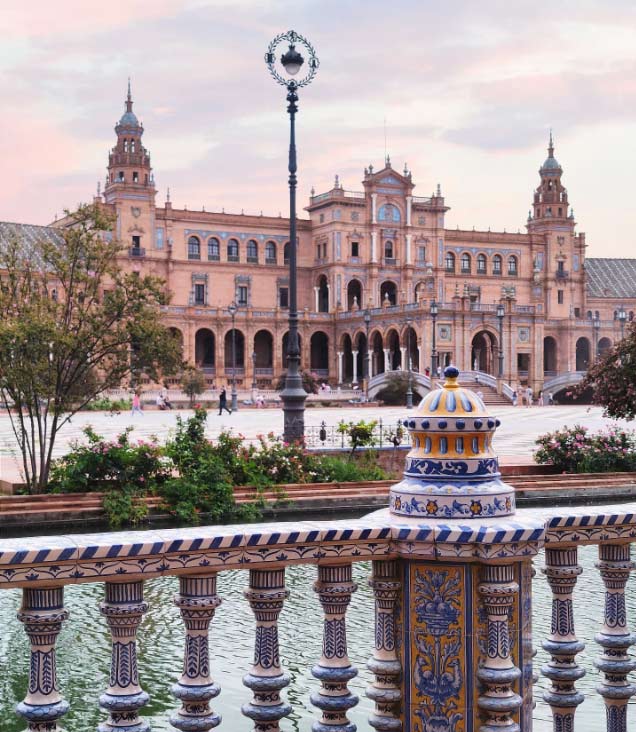
Seville is one of those cities that quickly captures people’s hearts. Its impressive monuments, charming streets, lively atmosphere and outstanding food make it one of Spain’s most rewarding destinations. However, many first-time visitors arrive with unrealistic expectations, underestimate certain practical aspects or simply don’t have enough information to make the most of their stay.
The good news is that most of these mistakes are completely avoidable. With a little planning and a few local tips, you’ll spend less time waiting in queues, avoid the hottest hours of the day, discover authentic neighbourhoods and enjoy a much more relaxed experience. Whether you’re visiting for a weekend or several days, small decisions can make a huge difference.
In this guide, we’ve gathered the ten most common mistakes visitors make when travelling to Seville, together with practical advice to help you avoid them. Think of it as friendly local advice designed to help you experience the city at its best, from visiting iconic landmarks to discovering the city’s quieter corners.
1. Underestimating Seville’s Heat
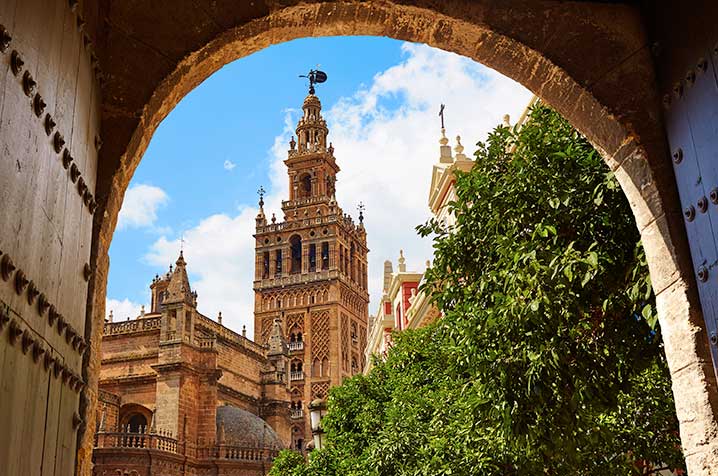
One of the biggest surprises for many visitors is just how hot Seville can be, especially between May and September. Summer temperatures regularly exceed 40°C (104°F), and even spring and early autumn can feel much warmer than many travellers expect.
Many people plan to spend the entire day sightseeing, only to find themselves exhausted after just a few hours. Walking long distances under the midday sun, particularly through areas with little shade, can quickly turn an exciting day into an uncomfortable experience.
Instead, try to start your day early, visit indoor monuments during the hottest hours and take advantage of Seville’s excellent cafés, shaded squares and traditional tapas bars for a relaxing break. If you’re planning your trip, our Travel Guide to Seville includes practical advice on the best times to visit, getting around the city and other useful tips to help you make the most of your stay.
2. Not Booking the Royal Alcázar in Advance
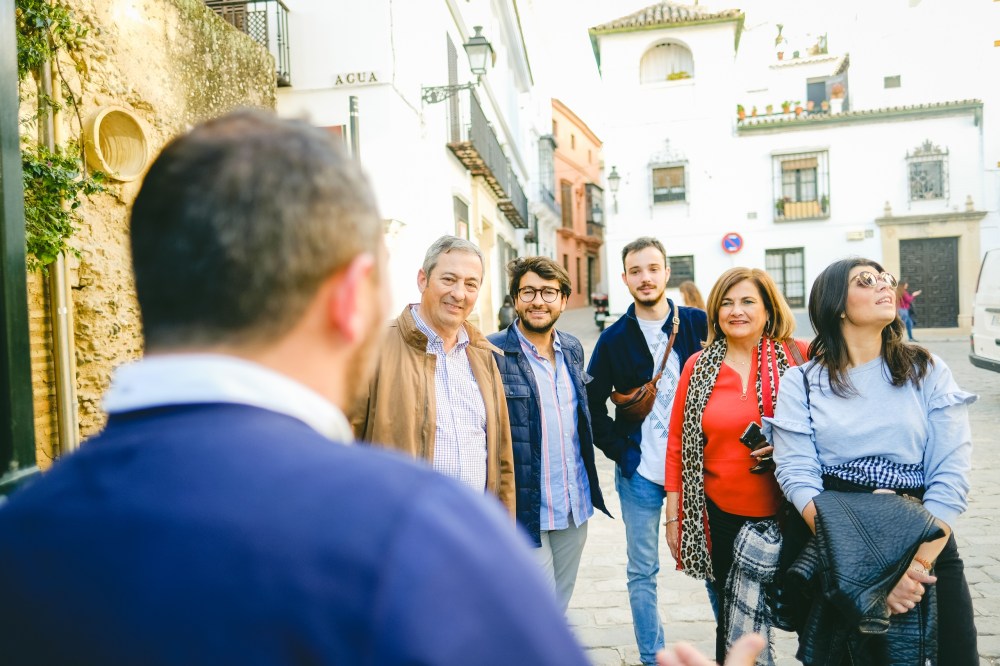
The Royal Alcázar of Seville is one of Spain’s most visited monuments, and tickets often sell out days—or even weeks—ahead, especially during spring, Easter and the autumn peak season. Many visitors assume they can simply buy a ticket on the day, only to discover that no entry slots are available.
If visiting the Alcázar is one of your priorities, it’s worth booking as early as possible. This not only guarantees your entry but also gives you more flexibility when planning the rest of your itinerary.
If you’re still organising your trip, take a look at our guide on why planning ahead is essential when visiting Seville. It explains why booking major attractions in advance can save you time, money and disappointment.
3. Trying to See Everything in One Day
Seville may look compact on a map, but there’s far more to explore than many first-time visitors expect. Between the Royal Alcázar, the Cathedral, the Santa Cruz neighbourhood, Plaza de España, Triana and the city’s many museums, trying to fit everything into a single day usually leads to rushing from place to place instead of enjoying the experience.
One of the best things about Seville is its atmosphere. Sitting in a shaded square, stopping for a coffee or wandering through quiet streets often becomes just as memorable as visiting its famous landmarks. Slowing down allows you to appreciate the city’s rhythm and discover details that many visitors miss.
If your schedule allows, spend at least two or three days in Seville. You’ll have time to visit the main attractions without feeling rushed and enjoy the city the way locals do.
4. Eating Only in Tourist Restaurants
Seville is famous for its food, but not every restaurant offers an authentic local experience. Around the city’s main attractions, it’s easy to find places with multilingual menus, generic dishes and prices that don’t always reflect the quality of the food.
Instead, venture a few streets away from the busiest areas and look for restaurants where locals gather. Traditional tapas bars often serve seasonal dishes, regional wines and recipes that have been part of Sevillian cuisine for generations. Don’t be afraid to ask for recommendations or try something you’ve never heard of before—it’s all part of the experience.
If you’d like to discover some of the city’s most traditional flavours, don’t miss our guide to traditional Andalusian tapas before choosing where to eat.
5. Assuming Every Guided Tour Offers the Same Experience
Many visitors choose a tour based only on the lowest price, without paying attention to group size, guide quality or what’s actually included. While any guided tour is usually more enriching than visiting on your own, the experience can vary enormously.
Large groups often move at a faster pace, make it harder to ask questions and can feel impersonal. In contrast, small-group tours offer a more relaxed atmosphere, allow for genuine interaction with the guide and make it easier to appreciate the stories behind Seville’s monuments instead of simply walking past them.
If you’re looking for a more personal way to discover the city, our article on why small-group tours make a huge difference in Seville explains what sets them apart and why many travellers consider them one of the highlights of their trip.
6. Following an Overpacked Itinerary
It’s tempting to fill every hour of your trip with attractions, museums and guided visits. After all, Seville has so much to offer that many travellers worry they’ll miss something. However, trying to see everything often has the opposite effect: you end up rushing from one place to another without truly enjoying the city.
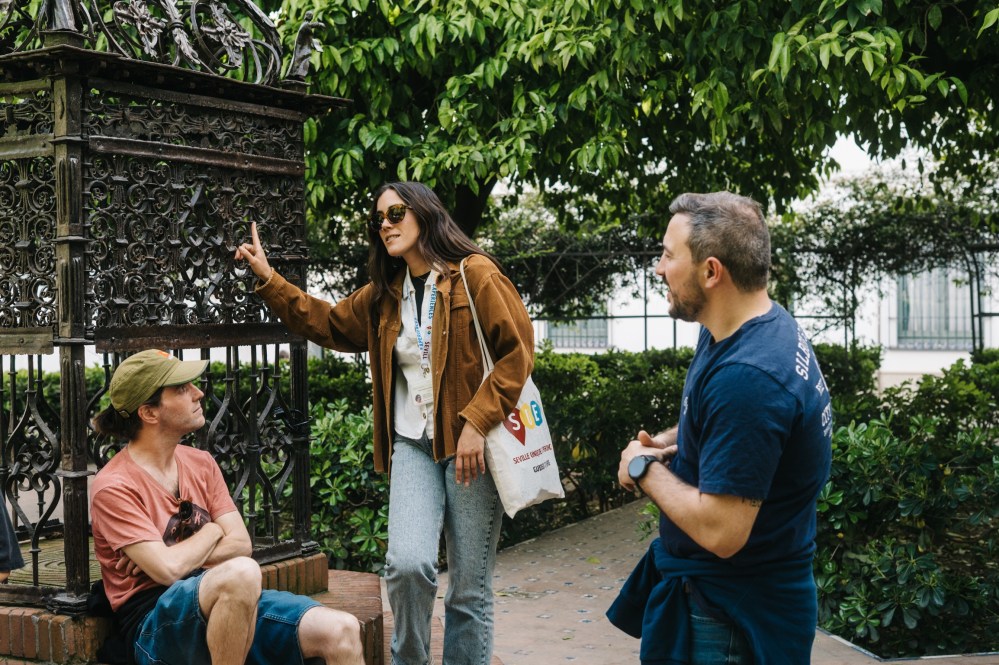
Seville isn’t a destination to tick off a checklist. Some of the best memories come from sitting on a sunny terrace, wandering through the narrow streets of Santa Cruz, watching local life unfold in a quiet square or stopping for an unplanned tapa. Leaving room for spontaneous moments is one of the best ways to experience the city’s unique atmosphere.
Rather than trying to fit everything into your schedule, focus on quality over quantity. You’ll return home with better memories—and probably already planning your next visit.
7. Skipping Seville’s Historic Neighbourhoods
Many visitors spend most of their time inside the city’s famous monuments, but some of Seville’s greatest treasures are found in its historic neighbourhoods. Places like Santa Cruz and Triana reveal a different side of the city, where history, local traditions and everyday life come together.
Strolling through these neighbourhoods allows you to discover hidden courtyards, centuries-old churches, colourful streets and family-run businesses that many tourists never notice. They also offer a chance to understand how Seville has evolved beyond its most famous landmarks.
If you want to explore these areas in greater depth, our Jewish Quarter Discovery Tour introduces the fascinating history of Santa Cruz, while our Triana & Riverside Walking Tour uncovers the traditions that have shaped one of Seville’s most iconic neighbourhoods.
8. Only Seeing Seville During the Day
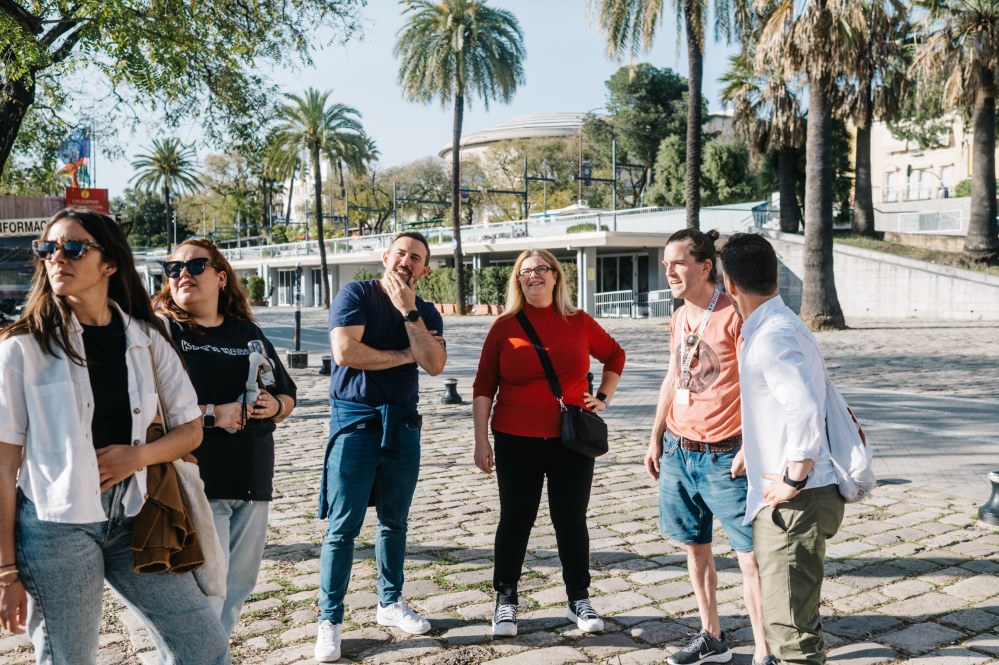
Many visitors head back to their hotel after dinner, without realising that Seville comes alive after sunset. As the temperatures become more comfortable, locals fill the streets, terraces buzz with conversation and many of the city’s most iconic landmarks are beautifully illuminated.
An evening walk through the historic centre, along the Guadalquivir River or around Plaza de España offers a completely different perspective from the daytime. It’s also the perfect opportunity to enjoy traditional tapas, discover lively neighbourhoods and experience the city’s relaxed atmosphere.
Don’t think of the evening as the end of your sightseeing day—think of it as the beginning of a different side of Seville. Some of the city’s most memorable moments happen after sunset, when the crowds thin out and the city feels at its most authentic.
9. Forgetting That Seville Is Meant to Be Experienced, Not Rushed
It’s easy to arrive in Seville with a long list of must-see attractions. However, many travellers soon realise that their favourite memories aren’t always made inside the city’s most famous monuments. Instead, they often come from unexpected moments: getting lost in the narrow streets of Santa Cruz, enjoying a long lunch on a sunny terrace or simply watching daily life unfold in a quiet square.
Rather than trying to tick every landmark off your list, give yourself permission to slow down. Seville is a city best enjoyed at a relaxed pace, where taking a detour or lingering a little longer can lead to some of the most memorable experiences of your trip.
If this way of travelling appeals to you, we invite you to read our article on why slow travel is the best way to experience Seville. You’ll discover how slowing down allows you to connect more deeply with the city’s history, culture and everyday life.
10. Thinking Seville Is Just About Its Monuments
The Royal Alcázar, the Cathedral, La Giralda and Plaza de España are undoubtedly some of Seville’s greatest attractions. But if you only admire their beauty without discovering the stories behind them, you’ll miss what truly makes this city extraordinary.
Seville is a place where Roman, Islamic, Jewish and Christian history intertwine. Every square, palace and neighbourhood has shaped the city’s identity over the centuries. Understanding these stories transforms a beautiful walk into a meaningful journey and helps you appreciate Seville far beyond its most famous landmarks.
Whether you explore the city independently or with a guide, take the time to look beyond the architecture. At Seville Unique Experiences, we believe that the best memories come not only from what you see, but also from the stories you hear and the people you meet. That’s what turns a visit into an unforgettable experience.
If you’re looking for a more personal way to discover the city, explore our small-group walking tours in Seville and experience its history through the eyes of official local guides who are passionate about sharing their city.
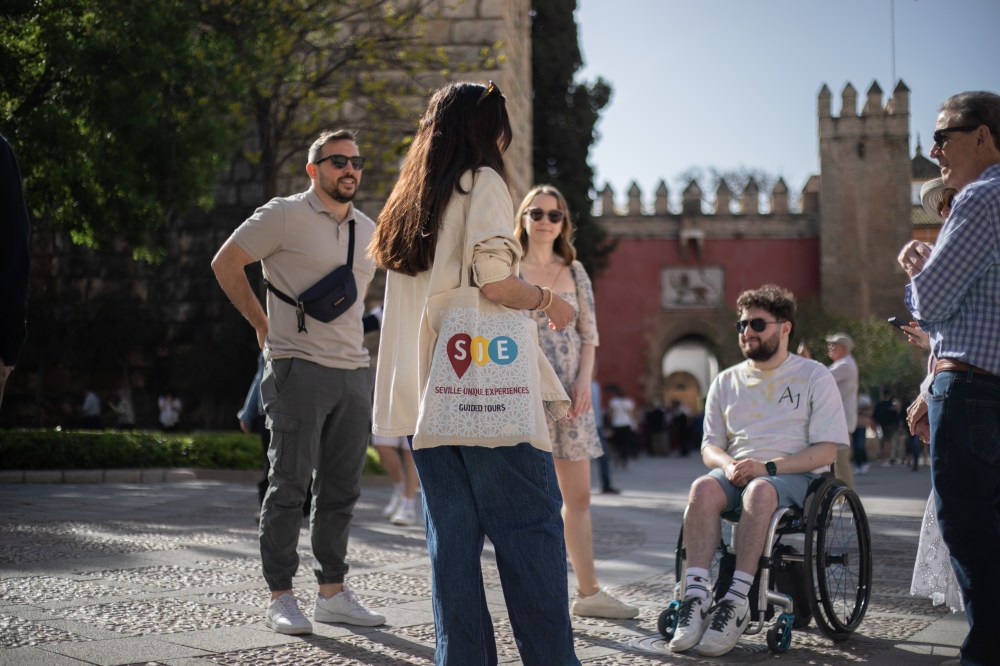
Seville isn’t a city to rush through—it’s a city to experience. Slow down, look beyond the landmarks and let its stories become part of your journey.